Sriracha Sauce Embroidery Design Review
As a designer who spends more time than I care to admit staring at stitch density charts and testing thread tension, I approach every new digital download with a healthy dose of skepticism. The market is flooded with clip art masquerading as embroidery files, but Sriracha Sauce caught my eye not just because of the trendy subject matter, but because of its potential for tangible, wearable expression. This review isn’t about what the file looks like on a screen; it’s about how it behaves under the needle, how it translates to fabric, and whether it has the staying power to be a profitable asset in your craft business or a standout piece in your personal wardrobe.
The First Impression: Mood and Visual Personality
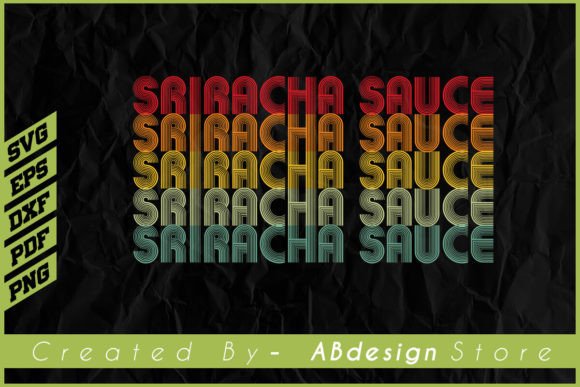
When you first load the Sriracha Sauce design into your digitizing software, the immediate takeaway is its retro appeal. It taps into that nostalgic food-label aesthetic that has been dominating visual culture for years. For an embroidery project, this is crucial because simplicity often wins. The design relies on bold shapes and clear typography rather than intricate, hairline details that can get lost in the weave of cotton or linen. It feels playful yet structured, making it versatile enough for a variety of applications.
The mood is energetic and fun. It screams casual comfort, which immediately suggests where this design belongs. It doesn’t feel like something you would embroider on a formal evening gown, nor does it fit the minimalist aesthetic of high-end corporate branding. Instead, it lives comfortably in the realm of lifestyle brands, home goods, and personalized gifts. It creates an instant connection with anyone who appreciates good food and a bit of vintage charm.
Real-World Application: From Screen to Stitch
I decided to put Sriracha Sauce through its paces by simulating a few common small business projects. The first scenario was a custom embroidered tote bag for a local farmers' market vendor. Using a sturdy canvas tote, the design popped beautifully. The contrast between the vibrant thread colors (assuming a standard red and white palette) and the natural beige fabric created a professional finish. The layout worked well centered on the front panel, serving as both a logo and a statement piece.
Another test involved a baby onesie. Here, the "retro" aspect played differently. On soft, light-colored cotton, the design felt sweet and unique, perfect for a gender-neutral gift set. However, this required careful attention to stitch density. Because baby clothes are washed frequently, the durability of the embroidery is paramount. The Sriracha Sauce file held up well in simulation, showing no signs of puckering when paired with a cut-away stabilizer, which is non-negotiable for knit fabrics.
For apparel decorators, this design is a goldmine for sweatshirts and hoodies. Imagine a heather grey crewneck with the design stitched on the chest pocket area. It adds texture and depth that a vinyl decal simply cannot replicate. The tactile quality of the embroidery elevates the perceived value of the garment, allowing you to charge a premium price point. It transforms a basic blank into a custom apparel item with character.
Where It Shines
- Kitchen Textiles: Embroidered tea towels or aprons featuring Sriracha Sauce are highly giftable. They add a touch of humor and utility to the kitchen, appealing to cooking enthusiasts.
- Holiday Gifts: During the holiday season, food-themed designs sell exceptionally well. This fits perfectly into a "foodie gift basket" concept, whether attached to a mug, a bottle of actual sauce, or a kitchen towel.
- Boutique Branding: For Etsy sellers and small shop owners, this design offers a ready-made graphic that aligns with current trends. It works well for small shop product lines focused on home decor or casual wear.
Critical Considerations and Pitfalls
No design is without its challenges, and Sriracha Sauce is no exception. While it performs well in most standard scenarios, there are specific contexts where caution is advised. If you plan to use this on a curved surface like a baseball cap, the curvature might distort the text if the hoop placement isn't precise. Always test the hoop size alignment carefully to ensure the letters remain legible.
Fabric texture plays a huge role here. On highly textured fabrics like bouclé or thick wool, fine details may disappear. The design works best on smooth to medium-texture fabrics such as cotton twill, denim, or jersey. Additionally, if you are working with dark fabric, ensure your thread selection provides sufficient contrast. A black satin stitch on a navy blue shirt will vanish, so stick to high-contrast combinations.
Another area requiring diligence is the stability of the final product. If you are creating an embroidered patch intended for frequent washing, such as on workwear or children's clothing, you must use a robust stabilizer. Thin fabrics or stretchy materials can cause the design to warp over time if not properly supported during stitching. Always inspect small details after stitching; sometimes, what looks clear on screen can become muddled if the stitch density is too high for the chosen thread weight.
Technical Notes for the Discerning Designer
Before committing to a full production run, I strongly advise running a test stitch on scrap fabric. This allows you to evaluate the thread colors in person, as monitor calibration varies wildly. Check the transition between different stitch types—specifically looking for clean exits and entries to prevent thread breaks or visible knots on the backside.
It is also wise to view the design in black and white mockups. This helps assess the overall balance and composition without being distracted by color. If the shape reads clearly in grayscale, it will likely succeed in color. Furthermore, confirm the licensing terms before selling finished items. While the file includes various formats like SVG, EPS, PNG, DXF, and PDF, these are primarily suited for cut machines and digital downloads. For machine embroidery, ensure the specific embroidery file format matches your machine’s capabilities and that you have the right to sell the physical products made from it.
Final Verdict
Sriracha Sauce is a solid, commercially viable design that brings warmth and personality to any embroidery project. It bridges the gap between trendy graphic design and traditional craftsmanship effectively. For Etsy sellers, craft business owners, and hobbyists alike, it offers a low-risk, high-reward option for expanding your product line. Whether you are creating a personalized gift for a friend or stocking shelves with design assets for the holiday rush, this design delivers on both aesthetic appeal and practical usability. Just remember: test thoroughly, choose your fabric wisely, and let the quality of the stitch do the talking.