YUCA Embroidery Design Review
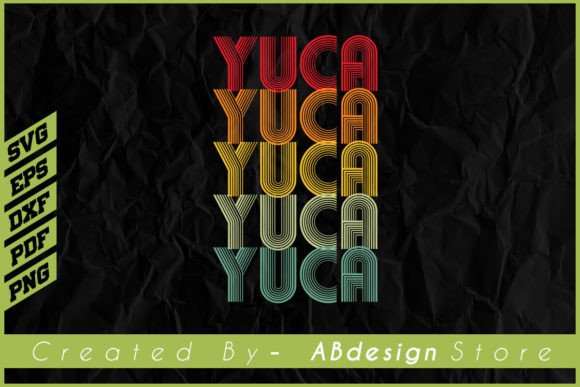
As a designer who spends half the day staring at stitch paths and the other half worrying about whether a client’s sweatshirt will hold up after ten washes, I don’t just look at an embroidery file; I look at its potential. When I first pulled up YUCA, a retro-themed digital download available in SVG, EPS, PNG, DXF, and PDF formats, my immediate reaction wasn’t just about aesthetics—it was about execution. This isn’t just another clip-art vector slapped onto a template. It has a distinct visual personality that demands thoughtful consideration before it ever touches a hoop.
The First Impression: Retro Charm Meets Practicality
The mood of YUCA is unmistakably nostalgic. The retro design elements suggest a vintage vibe that resonates strongly with current trends in handmade goods. For those of us creating T-Shirt Designs or Graphics for small businesses, this kind of aesthetic is gold. It feels approachable yet stylish, striking a balance between playful and polished. Visually, the layout appears balanced, which is crucial when translating a 2D digital asset into a 3D embroidered product.
However, "retro" can sometimes mean "complex," and complexity is the enemy of smooth stitching. My initial assessment suggests that YUCA relies on clean lines and bold shapes rather than intricate, fragile details. This is a positive sign for real-world application. It implies that the design will likely translate well into various machine embroidery design contexts without requiring excessive digitizing adjustments. The visual weight is distributed in a way that feels intentional, making it suitable for a wide range of handmade product categories.
Real-World Application: From Screen to Stitch
Let’s talk about where YUCA actually shines. Imagine you are preparing a custom order for a boutique client. You need something that looks professional but also feels personal. YUCA fits perfectly into several high-demand niches:
- Custom Apparel: On a heavyweight cotton t-shirt or a fleece sweatshirt, the retro theme pops beautifully. The design works well as a centered chest logo or a larger back print. The contrast between the fabric texture and the stitch density of the design will create a tactile experience that customers love.
- Tote Bag Design: Canvas bags are a staple for craft fairs and Etsy sellers. YUCA’s bold nature ensures it remains legible even on coarse canvas. It adds a touch of personality to what could otherwise be a plain accessory, increasing the perceived value of the small shop product.
- Baby Embroidery: Soft onesies and burp cloths benefit from gentle, charming designs. If YUCA has rounded edges or soft curves (which the retro style often does), it translates wonderfully to baby items. It creates a memorable personalized gift that parents are eager to share on social media.
- Holiday Embroidery: Whether it’s a cozy throw blanket or a kitchen towel, YUCA’s versatile aesthetic makes it a strong contender for seasonal merchandise. Its retro flair can be adapted for various holidays, giving your inventory flexibility.
I also see potential here for embroidered patch applications. If you are selling patches as accessories for denim jackets or backpacks, YUCA’s self-contained composition likely allows for easy applique or satin-stitch borders, making it a ready-to-sell item for Etsy sellers looking to expand their design assets.
Where to Exercise Caution
No design is perfect for every situation, and being honest about limitations is part of being a responsible reviewer. While YUCA is robust, there are specific scenarios where you need to tread carefully.
First, consider hoop size. If you attempt to scale YUCA down too small, you risk losing detail. Tiny lettering or fine decorative accents might merge together during stitching, resulting in a muddy appearance. Always inspect small details on a test run before committing to a final product.
Second, think about fabric texture. Textured fabrics like chunky knits or heavy wools can distort the precision of the design. Similarly, thin or stretchy fabrics require extra stabilization. Without the right stabilizer, the tension of the threads might pucker the material, ruining the clean lines that make YUCA appealing. For curved surfaces like caps or hats, ensure the design is digitized to follow the curve, or it may look distorted.
Dark fabrics present another variable. If the original design uses light thread colors, you must ensure sufficient contrast. A retro design often relies on specific color palettes, so testing thread colors against your actual fabric stock is non-negotiable. What looks great on a white background might disappear on navy blue.
Technical Notes for the Discerning Designer
Before you upload YUCA to your machine, there are practical steps you should take. Since this is a digital embroidery file provided in multiple formats (SVG, EPS, PNG, DXF, PDF), remember that these are primarily graphic files. If you are using them for cut machines or vinyl decals, the process is straightforward. However, for true machine embroidery, you need to ensure you have the correct embroidery-specific file format (like PES, DST, or EXP) if one is included, or be prepared to convert the graphic using appropriate software.
If the package includes only the graphic formats listed, you may need to trace or convert the design into an embroidery format yourself. In that case, pay close attention to stitch density. Retro designs can sometimes be dense with fill stitches. Run a test on scrap fabric to check how the threads lay. Do they shine evenly? Are there any gaps? Does the satin stitch around the edges look crisp?
Also, consider the end use. If you plan to sell finished items made from YUCA, confirm the licensing terms. Commercial embroidery rights vary wildly. Some digital downloads allow unlimited commercial use, while others restrict the number of items you can sell. Protect your business by reading the fine print.
Final Verdict: A Versatile Asset for Creative Entrepreneurs
YUCA stands out as a reliable, aesthetically pleasing option for designers looking to add a touch of retro charm to their repertoire. It bridges the gap between artistic expression and commercial viability. Whether you are creating a custom apparel line, stocking your Etsy shop with printable mockups and physical goods, or crafting unique gifts for friends, YUCA offers a solid foundation.
Its strength lies in its adaptability. It works well on tote bags, sweatshirt embroidery projects, and delicate baby embroidery pieces alike. By paying attention to fabric choice, stabilizer selection, and thread contrast, you can elevate this design from a simple graphic to a premium finished product.
For the craft business owner, YUCA represents low-risk, high-reward potential. It’s visually engaging, easy to market, and fits seamlessly into the current trend of handmade, personalized goods. Just remember: always test before you sell. A quick run on scrap fabric can save you from costly mistakes and ensure that every piece leaving your studio meets the highest standards of quality. If you’re looking to refresh your graphics collection with something that feels both timeless and trendy, YUCA is definitely worth a closer look.