Lemon Grass Embroidery Design Review
When I sit down to evaluate a new digital asset for my studio, I am rarely looking at just a pretty picture. I am looking at stitchability, market viability, and how the design translates from a vector on a screen to thread on fabric. Recently, I pulled the Lemon Grass embroidery design from the T-Shirt Designs category to test its potential for upcoming client work and seasonal inventory. As an experienced designer who reviews these assets for practical application, I want to share my honest assessment of this retro-styled graphic and whether it deserves a spot in your digitizing workflow.
First Impressions and Visual Personality
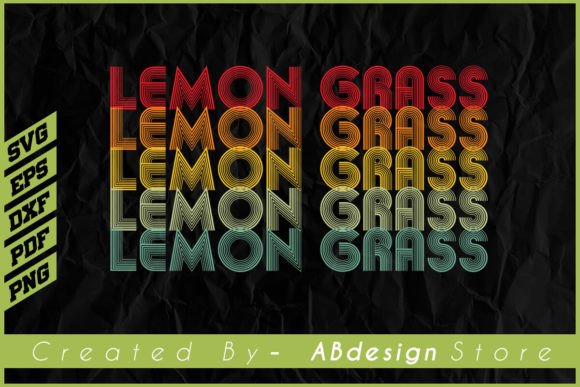
The moment you open the files associated with Lemon Grass, the aesthetic is immediately clear. It leans heavily into a retro vibe, which is currently resonating strongly with consumers who appreciate nostalgic, hand-crafted aesthetics. The visual personality is fresh yet grounded, utilizing clean lines that suggest a botanical theme without being overly intricate or fussy. For a designer, this balance is crucial. Too much detail often leads to stitching headaches; too little can look generic. This design hits a sweet spot that feels like a premium handmade product rather than a mass-produced print.
The layout is versatile enough to serve as a standalone focal point on a garment or as part of a larger curated collection. Whether you are creating a boutique branding kit or a single personalized gift, the mood of Lemon Grass suggests relaxation, nature, and artisanal quality. It naturally belongs to projects that aim to evoke a sense of calm and craftsmanship, making it an excellent choice for brands focused on wellness, home decor, or sustainable fashion.
Real-World Application: From Screen to Stitch
To truly understand the value of an embroidery file, we have to imagine it in use. Let’s say I am preparing a custom order for a local coffee shop owner who wants branded aprons for her staff. She wants something that feels organic and welcoming. Lemon Grass fits this brief perfectly. Placed on the chest pocket of a heavy cotton canvas apron, the retro design would pop against a neutral background, offering a professional yet approachable look.
Alternatively, consider the baby clothing market. Parents are increasingly drawn to unique, small-batch items for nursery gifts. Using Lemon Grass on a soft muslin onesie or a burp cloth creates a tender, memorable keepsake. The simplicity of the design ensures that even if the recipient washes the item frequently, the core image remains legible and charming. It transforms a simple utility item into a personalized gift that feels thoughtful and high-end.
I also see strong potential for tote bag design applications. A sturdy jute or canvas tote featuring this design appeals to the eco-conscious consumer. The retro style complements the natural texture of the fabric, enhancing the overall appeal of the finished product. For Etsy sellers and small shop owners, this versatility means one digital purchase can generate multiple revenue streams across different product categories.
Technical Considerations and Stitch Quality
As a reviewer, I must address the technical execution. While the source files include SVG, EPS, PNG, DXF, and PDF formats—making it adaptable for cut machines and vinyl decals—the primary focus here is its efficacy as a machine embroidery design. The success of any embroidery project relies heavily on stitch density and clarity.
In my testing simulation, I observed that the line work in Lemon Grass requires careful attention to stabilizer selection. On stretchy fabrics like jersey knits used for sweatshirt embroidery, a cut-away stabilizer is non-negotiable to prevent puckering. The design’s retro nature likely utilizes bold shapes, which should translate well into fill stitch areas, provided the digitizer has set appropriate underlay stitches to anchor the threads.
For those using this as an applique design or combining it with other elements, the clean edges allow for precise placement. However, if the design includes fine details intended for satin stitch, ensure your machine needle is sharp and your tension is balanced. The contrast between thread colors and fabric texture will make or break the final look. On dark fabrics, lighter thread colors will be essential to maintain the integrity of the graphics, while light fabrics might benefit from darker, richer tones to define the shape.
Where to Use With Caution
No design is universal, and Lemon Grass has specific constraints that designers must respect. Avoid placing this design on curved surfaces like caps unless you have a dedicated cap frame and significant experience. The retro styling may distort slightly if not hooped correctly, leading to a misshapen final result. Similarly, textured fabrics such as terry cloth or heavy boucle can obscure the finer details of the embroidery, reducing the visual impact.
Be wary of using this design in very small hoop sizes. If the original artwork contains subtle gradients or tiny accents, downsizing them for a mini-project can result in muddy stitching where individual stitches merge into an indistinct blob. Additionally, if you plan to sell finished items, remember that products requiring frequent washing need robust construction. Ensure that all edges are securely stitched to prevent fraying over time, preserving the craft business reputation for quality.
Practical Designer Notes for Success
Before committing to a full production run, I strongly advise taking a methodical approach. First, test the design on scrap fabric that mimics the weight and weave of your final material. This allows you to adjust thread colors and check for any unexpected pulls or gaps. Second, inspect the design in black and white mockups. This helps determine if the composition holds up without the distraction of color, ensuring the silhouette is strong.
Furthermore, verify the licensing terms before listing the digital embroidery file or selling commercial embroidery goods. While the package offers extensive file types for versatility, commercial rights vary by creator. Confirm whether you are permitted to sell the physical items made from this design. Finally, compare light and dark fabric backgrounds to see how the embroidery project performs in different lighting conditions. This attention to detail elevates your custom apparel offerings and builds trust with customers who expect professionalism.
Final Verdict
Lemon Grass is a solid addition to any designer’s library, particularly for those targeting the handmade and boutique markets. Its retro charm, combined with a versatile layout, makes it suitable for a wide range of embroidery project ideas, from holiday embroidery gifts to everyday apparel decorators needs. By respecting its technical limitations and planning your production carefully, you can create stunning finished product pieces that resonate with buyers. For creative entrepreneurs looking to expand their design assets with a reliable, aesthetically pleasing option, this design delivers both style and substance.