Cotton Candy Embroidery Design Review
As a designer who spends more time than I care to admit staring at stitch charts and testing thread tensions, I approach every new embroidery file with a healthy dose of skepticism. The market is flooded with generic clip art disguised as digital assets, so finding a design that actually translates well from screen to fabric is rare. That is why I took a close look at the Cotton Candy design before committing it to my production queue. This isn't just about aesthetics; it is about whether this piece holds up under the needle, how it interacts with different fabrics, and if it has enough personality to drive sales for a craft business.
First Impressions: Mood and Visual Personality
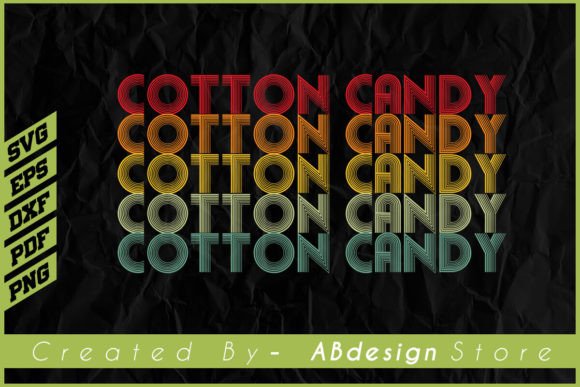
The name "Cotton Candy" immediately sets a specific expectation: nostalgia, sweetness, and softness. When you load the files into your digitizing software, the first thing you notice is the retro vibe. It taps into that popular food theme without feeling dated. For an embroidery project, visual clarity is king. If a customer cannot recognize the subject within two seconds of glancing at a finished product, the design has failed its primary job.
This design succeeds because it balances detail with simplicity. It feels like a classic T-Shirt Designs graphic but adapted for textile. The layout suggests a playful energy that works exceptionally well for handmade products aimed at younger demographics or those looking for cheerful, uplifting gifts. It is not heavy or dark; it is light, airy, and inviting. In the world of commercial embroidery, where shelf space and online thumbnails are fleeting, a design that communicates joy instantly is a valuable asset. It feels less like a logo and more like an illustration, which gives it versatility across various design assets categories.
Real-World Application: From Screen to Stitch
Let’s talk about real use cases. I recently imagined this design on a custom embroidered tote bag for a summer craft fair. The bright, sugary tones would pop against a natural canvas or a pastel-colored cotton blend. However, the true test of any machine embroidery design is how it handles different garment types. Here is how I see Cotton Candy performing in practical scenarios:
- Custom Apparel and Sweatshirts: This design shines on sweatshirts. The retro aesthetic pairs perfectly with heavyweight cotton blends often used in boutique apparel. On a t-shirt, it might feel slightly small unless scaled appropriately, but on a hoodie, it becomes a statement piece. The contrast between the soft texture of the fleece and the crisp stitches creates a premium feel.
- Baby Embroidery Items: One of the most lucrative niches for Etsy sellers is baby gear. This design is gentle enough for onesies, bibs, and burp cloths. The theme is universally appealing to parents looking for gender-neutral or sweetly themed nursery decor. It adds a touch of whimsy that elevates a basic baby item into a special gift.
- Kitchen and Home Goods: Do not overlook tea towels and aprons. A kitchen towel featuring this retro candy design brings a fun, vintage diner vibe to a modern kitchen. It is a great add-on item for customers buying matching sets. Similarly, on a denim apron, the colors would stand out beautifully, making it an ideal personalized gift for bakers or cooking enthusiasts.
- Holiday and Seasonal Gifts: While cotton candy is associated with summer fairs and carnivals, the color palette can easily be adapted for spring events, birthdays, or even Valentine’s Day gifting. Its broad appeal makes it a safe bet for inventory that won’t sit stagnant on shelves.
Technical Considerations and Potential Pitfalls
No design is perfect for every situation. As an experienced reviewer, I must highlight where Cotton Candy requires careful handling. Embroidery is a subtractive process in some ways—you lose detail when you compress pixels into thread. Here is where you need to be cautious:
- Small Hoop Sizes: If you attempt to stitch this design in a very small hoop, such as a 4x4 inch area, you risk losing definition. Fine lines may merge together, turning into muddy blobs. Always check the minimum recommended hoop size provided by the creator. If the design includes tiny text or intricate swirls, scaling it down too much will ruin the visual impact.
- Fabric Texture and Stability: This design likely relies on clean edges and smooth fills. On highly textured fabrics like chunky knits or bouclé, the stitches will get lost. You need a stable, flat surface for the design to shine. Additionally, stretchy fabrics like thin jersey require proper stabilizer usage to prevent puckering. Without the right support, the stitch density could distort the fabric, making the final product look unprofessional.
- Thread Color Contrast: The success of this design hinges on thread choice. If you use low-contrast threads on a dark background, the retro details will vanish. Conversely, using neon threads on a light background might create eye strain. Test your thread colors on scrap fabric first. I recommend checking the design in black and white mockups to ensure the value structure (light vs. dark areas) remains distinct regardless of color.
- Dense Stitch Areas: If the design features large fill stitches, be mindful of the backing. Too many layers of thread can make a garment stiff and uncomfortable, especially on baby clothes or lightweight tees. Ensure the digitizing uses appropriate pull compensation and underlay stitches to keep the fabric flat.
Impact on Brand and Customer Trust
For small shop owners and creative entrepreneurs, the quality of your designs directly impacts your brand reputation. A sloppy stitch or a poorly chosen placement can erode customer trust faster than anything else. Using a well-crafted design like Cotton Candy signals attention to detail. It shows that you care about the final result, not just the quick sale.
When customers receive a handmade product that looks polished and professional, they are more likely to leave positive reviews and return for future purchases. This design has that "giftability" factor—it looks thoughtful and curated. Whether it ends up on a pillow cover, a cap, or a decorative patch, it enhances the perceived value of the item. It transforms a commodity into a keepsake.
Final Verdict and Practical Next Steps
Overall, Cotton Candy is a strong addition to any digital embroidery file library. It offers a versatile, nostalgic aesthetic that appeals to a wide audience. It works beautifully for custom apparel, baby items, and home decor, provided you pay attention to technical execution.
Before you start producing, remember these essential steps:
- Test on Scrap Fabric: Never go straight to the final product. Stitch the design on the same type of fabric and stabilizer you plan to use for selling.
- Check Licensing: Confirm whether the license allows for commercial use. If you are selling finished items, you need explicit permission to use the design for profit.
- Review File Formats: Ensure you have the correct formats for your machine (e.g., PES, DST, XXX) as well as vector files (SVG, EPS) if you plan to use cut machines for vinyl decals or stickers alongside embroidery.
- Inspect Details: Zoom in on the digital preview. Look for any jagged edges or unclear shapes that might not digitize cleanly.
If you are an Etsy seller or Etsy listing creator looking to expand your catalog with trendy, high-quality graphics, this design fits the bill. It bridges the gap between casual hobbyist projects and professional boutique merchandise. Just remember: the design is only half the battle. Your skill in setup, stitching, and finishing is what turns Cotton Candy into a bestseller.