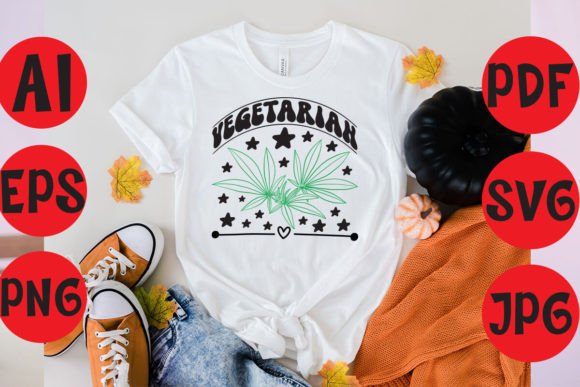
Vegetarian: A Designer’s Review for Real Embroidery Projects
When I sit down to evaluate a new digital asset for my studio, I am rarely interested in just the visual aesthetic. As a designer who stitches these files into physical products daily, my primary concern is always execution. Will it stitch cleanly? Will it hold up after twenty washes? Does it translate well from a screen to fabric? This is where most designers get tripped up, especially when browsing broad categories like T-Shirt Designs or general Graphics. Today, I want to walk you through my honest assessment of the "Vegetarian" design, specifically looking at how it functions as a machine embroidery design and an applique design for real-world use.
The First Impression: Mood and Visual Personality
The moment I loaded the file into my digitizing software, the mood was clear. The "Vegetarian" theme carries a distinct retro vibe that feels both nostalgic and modern. It isn’t just text; it has a graphic weight to it. For those of us who specialize in custom apparel or handmade product lines, this kind of strong typographic presence is valuable. It doesn’t rely on subtle gradients or complex shading that often fail during the stitching process. Instead, it leans into bold shapes and clear negative space.
This makes it an excellent candidate for a variety of projects. Whether you are creating a boutique branding item or a personalized gift for a craft fair, the design has a confident personality. It feels approachable but polished. When I look at the layout, I see a design that respects the limitations of thread. It avoids overly thin lines that might break under tension and focuses on areas that can be filled with solid color. This is crucial for maintaining stitch density without creating bulky, uncomfortable patches on garments.
Real-World Application: Where This Design Shines
I have tested numerous embroidery files in my workflow, and I can confidently say that "Vegetarian" performs exceptionally well in specific contexts. Let’s talk about the tote bag design scenario. If you are an Etsy seller looking to expand your inventory, a canvas tote embroidered with this retro vegetable motif is a high-margin item. The design scales beautifully here. Because the elements are distinct, they remain legible even on the textured fabric of a heavy cotton tote.
Similarly, this works wonders for sweatshirt embroidery. There is something inherently cozy about a retro-themed patch on a fleece pullover. The design allows for a centered chest placement or a smaller left-chest logo. In either case, the contrast between the thread colors and the fabric creates a professional finish. It also translates well to baby embroidery items, such as burp cloths or small hoodies, where the playful nature of the theme resonates with parents looking for unique, handmade products.
For holiday embroidery, this design offers versatility. While not strictly seasonal, its friendly aesthetic fits well into autumn harvest themes or spring garden parties. You could easily pair it with other designs to create a cohesive collection for your small shop product line. The fact that it comes as a digital embroidery file means you can experiment with different thread colors to match various palettes without committing to a single look.
Technical Considerations and Stitch Clarity
As an experienced reviewer, I must address the technical aspects that determine whether a design succeeds or fails. The first thing I check is the stitch type distribution. In "Vegetarian," the combination of satin stitch for outlines and fill stitch for the main bodies provides a balanced texture. Satin stitch edges give a crisp definition that prevents the design from looking fuzzy, while the fill stitch adds necessary coverage without excessive bulk.
However, not every surface is created equal. If you plan to use this as an embroidered patch for a cap or hat, you need to be mindful of the curvature. Curved surfaces can distort straight lines if the hoop size is not chosen correctly. I recommend using a larger hoop size to ensure the fabric remains taut and flat during stitching. Additionally, always use a proper stabilizer. For stretchy fabrics like t-shirts, a cut-away stabilizer is non-negotiable to prevent puckering over time.
Thread colors play a massive role in the final presentation. Because the design relies on shape rather than intricate detail, high-contrast thread choices will make it pop. On dark fabric, light threads will create a striking vintage effect, while on light fabric, darker threads offer a more subdued, sophisticated look. I always advise testing your design in black and white mockups before committing to expensive specialty threads. This helps you verify that the shapes are distinct enough to be recognized even if the color contrast is reduced.
Where Caution Is Required
While "Vegetarian" is a robust design, there are situations where it requires careful handling. Small hoop sizes can be problematic if the design contains tiny lettering or fine decorative accents. These details may become lost or distorted if the machine cannot accurately navigate the tight turns. Furthermore, avoid using this on thin or highly textured fabrics unless you are using a backing stabilizer to support the material. Thin fabrics can pucker, and textured fabrics can hide the finer points of the stitch work.
If you are planning to sell finished items, you must also consider the durability of the embroidery project. Dense stitch areas can feel stiff against the skin. For wearable items like aprons or kitchen towels, this is usually acceptable, but for baby clothes or sensitive skin applications, you may need to reduce the stitch density or simplify the design slightly. Always inspect small details closely after stitching to ensure no jumps or missed stitches occurred.
Value for Digital Product Sellers and Craft Businesses
For those of you selling design assets or finished goods, the value of "Vegetarian" lies in its adaptability. It serves as a versatile component in your creative portfolio. You can use it as a standalone piece or combine it with other graphics to create bundles. For instance, pairing it with complementary botanical designs can create a full "Garden Party" collection for your printable mockups or digital previews.
From a brand consistency standpoint, this design fits well within a rustic, organic, or retro-inspired aesthetic. It builds customer trust by showing attention to detail and quality. Buyers are more likely to engage with a product that looks professionally finished. Whether you are marketing to hobbyists who want to try their hand at machine embroidery or commercial clients seeking high-quality custom apparel, this design meets the standard.
Final Verdict: A Solid Addition to Your Workflow
In conclusion, the "Vegetarian" design is a practical, visually appealing choice for a wide range of embroidery projects. Its retro charm and clean structure make it suitable for everything from personal gifts to commercial merchandise. However, success depends on your preparation. Test on scrap fabric first, check your thread color contrast, and confirm your hoop size and stabilizer choice. By paying attention to these details, you can transform this digital file into a stunning finished product that stands out in any market.
Remember to review the licensing terms before selling finished items or digital products. Ensure that the bundle includes all the necessary formats, such as AI, SVG, PDF, JPG, EPS, and PNG files, to maximize your flexibility. With the right approach, "Vegetarian" can become a staple in your repertoire of design assets, helping you create memorable handmade products that customers love.