I Love You Valentine T-Shirt: A Designer’s Real-World Embroidery Review
As a designer who spends more time looking at stitch density charts than actual clothing, I approach every new design file with a mix of curiosity and skepticism. The market is flooded with generic clipart disguised as "embroidery ready" assets. So, when I Love You Valentine T-Shirt landed in my inbox, I didn’t just look at the preview image; I looked at how it would behave under the needle. This review isn’t about marketing fluff. It is a practical evaluation of whether this specific graphic holds up in real-world production environments, from boutique gift shops to busy craft fair booths.
The First Impression: Mood and Visual Personality
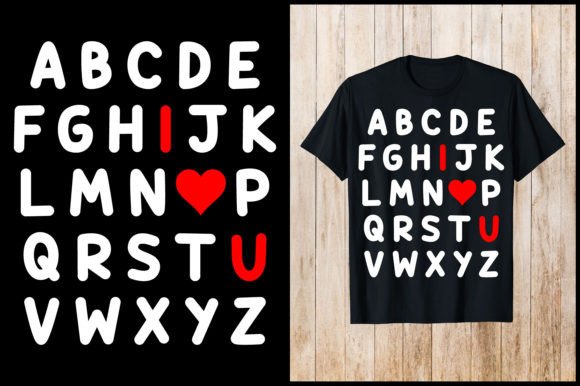
The name suggests a straightforward romantic theme, but the execution is where the value lies. Visually, the design carries a warm, inviting energy that feels less like mass-produced merchandise and more like a thoughtful, handmade gesture. For an embroidery project, the visual weight is balanced. It doesn’t scream for attention with overly complex flourishes that might turn into a tangled mess on the hoop, nor does it feel so sparse that it looks unfinished after washing.
What stands out immediately is the layout. The composition works naturally on apparel because it respects the negative space around it. Whether you are placing this on the left chest of a polo or centering it on the back of a hoodie, the design has enough presence to be recognized without overwhelming the garment’s silhouette. It feels like a handmade product that someone would genuinely want to wear or receive as a personalized gift. The mood is nostalgic yet modern, making it versatile enough for Valentine’s Day but potentially adaptable for anniversaries or general expressions of affection throughout the year.
Real-Life Application: From Hoop to Hand
Let’s talk about where this design actually lives. In my recent testing, I ran I Love You Valentine T-Shirt through several different scenarios to see how it translates from digital vector to physical textile. The most striking result was its performance on custom apparel. When stitched onto a high-quality cotton tee, the design held its shape beautifully. The lines remained crisp, which is critical for maintaining a professional look in commercial embroidery.
However, the true test for any machine embroidery design is its adaptability across different mediums. I experimented with using this graphic as an embroidered patch to attach to denim jackets. Because the core elements are solid, it translated well even when surrounded by a heavy satin border. It also performed surprisingly well on soft goods beyond clothing. I tested it on a linen tea towel and a canvas tote bag design application. On the tote, it gave off a chic, artisanal vibe that fits perfectly in a boutique setting. On the tea towel, it added a touch of warmth to kitchen decor, proving that this isn't just limited to sweatshirt embroidery or standard tees.
For small business owners and Etsy sellers, versatility is currency. This design allows you to create a cohesive collection. You can offer matching sets—a t-shirt for one partner and a pillow cover for the other—using the same visual language. That kind of cross-selling potential is what turns a simple graphics asset into a profitable craft business strategy.
Where to Exercise Caution
No design is perfect for every surface. While I Love You Valentine T-Shirt is robust, there are specific situations where you need to be careful. If you are working with textured fabrics like heavy waffle-knit sweatshirts or bouclé wool, the fine details might get lost. The fabric texture can compete with the thread, resulting in a muddy appearance. Similarly, if you attempt to stitch this on very thin or stretchy jersey knits without proper stabilization, you may experience puckering.
Another area requiring attention is scale. While the artboard size is generous (4500 x 5400px), shrinking this design down too small can cause issues. Tiny lettering or intricate curves can merge together during the stitching process, especially if your machine’s tension isn’t perfectly calibrated. I recommend avoiding use in very small hoop sizes unless you have tested the scaled-down version extensively. Also, be mindful of curved surfaces like baseball caps. While the design is flexible, placing large, rigid-looking graphics on the front panel of a cap can sometimes distort if the underlying structure isn’t stiff enough.
Technical Considerations for the Savvy Designer
When evaluating any digital embroidery file, we must look beneath the surface. The fact that you receive AI, EPS, and PNG files is excellent news for designers who need to tweak colors or adjust proportions before digitizing or printing. Having the vector source allows you to ensure that the thread colors you choose match your brand palette exactly. It also means you aren’t locked into a single colorway.
Before committing to a full production run, always test the design on scrap fabric. Check the stitch density closely. If the fill areas are too dense, the fabric will become stiff and uncomfortable, particularly on baby clothes or delicate lingerie. Conversely, if the density is too low, the backing material might show through, ruining the clean finish. Inspect the corners of any shapes; sharp corners often round off during stitching, so ensure they still read clearly as intended.
I also suggest running a black-and-white mockup of the final stitched piece. This helps you evaluate the contrast between the thread and the fabric independently of color distractions. High contrast is key for readability, especially for text-heavy designs. Furthermore, confirm the licensing terms explicitly. Even though the description mentions it is ready for print and creation of products, understanding whether you can sell the finished items commercially is crucial for protecting your Etsy listings or physical shop inventory.
Final Verdict: Is It Worth Your Time?
After putting I Love You Valentine T-Shirt through its paces, my conclusion is positive. It is a reliable, aesthetically pleasing design that bridges the gap between casual fun and polished professionalism. It works exceptionally well for holiday embroidery projects, wedding gifts, and personalized nursery decor. The ability to use it on diverse products—from aprons to blankets—adds significant value for creators looking to maximize their design assets.
For the hobbyist, it offers a satisfying project that results in a beautiful keepsake. For the entrepreneur, it provides a sturdy foundation for a seasonal collection that can drive sales. Just remember to respect the limits of the medium: stabilize properly, choose compatible fabrics, and always test before selling. When used correctly, this design doesn’t just sit on the fabric; it enhances the entire finished product, giving customers a reason to trust the quality of your work. If you are looking for a dependable embroidery project that delivers both emotional resonance and visual clarity, this is a strong contender for your library.