CNA Retro Embroidery Review
As a designer who spends half my life staring at stitch charts and the other half worrying about whether a client’s chosen fabric will hold up to the hoop, I approach every new digital asset with a mix of excitement and skepticism. Today, I’m putting the Certified Nursing Assistant design under the microscope. This isn’t just another clip art file; it is a retro, wavy, groovy graphic that promises personality. But does it translate well from a screen to a needle? Can it survive the rigors of commercial embroidery without losing its soul or tangling your machine? Let’s dive into the practical realities of using this design for real-world projects.
The First Impression: Mood and Visual Personality
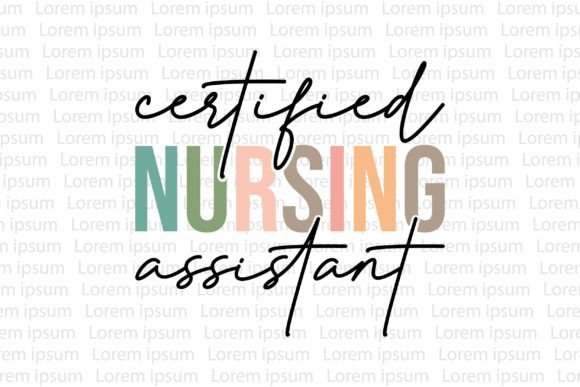
When you first load the Certified Nursing Assistant file into your digitizing software, the immediate takeaway is the vibe. It screams nostalgia. The wavy, groovy aesthetic suggests a relaxed, friendly, and approachable tone. For healthcare professionals—especially CNAs who often work in high-stress environments but provide deeply human care—this design feels like a warm hug rather than a sterile uniform patch. It captures the spirit of caregiving with a dash of cool, making it perfect for staff appreciation gifts, team building events, or personal pride wear.
From a layout perspective, the text flows with the curves of the typography, which gives it a dynamic energy. However, as an experienced reviewer, I must point out that "wavy" and "groovy" can be tricky in embroidery. If the waves are too tight or the letterforms too intricate, they can blur together during stitching. My initial assessment is that this design relies heavily on bold shapes and clear spacing to maintain readability. It feels best suited for medium-to-large placements where the eye has room to travel across the curves without getting lost in the noise.
Real-World Application: Where Does It Shine?
I recently imagined this design being used for a custom embroidered tote bag for a local clinic’s end-of-year gift. Picture a sturdy canvas tote with the Certified Nursing Assistant design centered on the front. The retro style would pop beautifully against a neutral background, creating a product that feels both professional and fun. It transforms a simple utility item into a branded piece of merchandise that employees would actually want to use.
Similarly, this design is a strong candidate for sweatshirt embroidery. Healthcare workers spend long hours on their feet, and comfort is key. A soft fleece sweatshirt featuring this groovy CNA logo offers warmth and style. The design’s horizontal flow works exceptionally well on chest placements or even across the back of a hoodie, creating a statement piece for casual Fridays or off-duty relaxation. It also translates well to baby embroidery items, such as onesies for the children of healthcare workers, adding a layer of familial pride to everyday clothing.
For the Etsy seller or small shop owner, this design opens up several avenues. It fits perfectly into the category of personalized gifts. Imagine a holiday embroidery project where you offer custom names alongside the CNA title. The retro theme allows for creative color combinations—think mustard yellows, burnt oranges, and deep teals—that stand out in online listings. It’s not just a medical symbol; it’s a lifestyle statement that resonates with buyers looking for unique, handmade products.
Technical Considerations and Potential Pitfalls
While the visual appeal is high, we need to talk about execution. Embroidery is a physical process, and not all designs behave the same way on different fabrics. Here are some critical factors to consider before you start stitching.
- Hoop Size and Detail: Ensure the design fits comfortably within your standard hoop sizes. If the wavy elements extend too far, you may run out of stitching area. Always check the bounding box in your software.
- Stitch Density: Retro designs often use fill stitches to create solid blocks of color. If the density is too high, the fabric can pucker, especially on lightweight materials like thin cotton t-shirts. Conversely, if the density is too low, the stabilizer might show through. Test on scrap fabric first.
- Thread Color Contrast: The groovy aesthetic relies on contrast. On dark fabric, you’ll need bright or light threads to make the wavy lines pop. On light fabric, darker threads will provide better definition. Avoid low-contrast combinations unless you’re aiming for a subtle, tonal look.
- Fabric Texture: Textured fabrics like heavy denim or terry cloth can obscure fine details. This design looks best on smooth surfaces like twill caps, smooth cotton blends, or stable polyester. Stretchy fabrics require proper stabilization to prevent distortion of the wavy lines.
Where to Use With Caution
There are certain scenarios where this design might struggle. Small hoop sizes are risky because the wavy typography requires enough space to breathe. If you try to shrink it down too much, the curves may merge into an illegible blob. Similarly, detailed corners or tiny lettering should be avoided if your machine struggles with precision. Curved surfaces like baseball caps can distort straight or wavy lines if not hooped correctly; consider using a cap frame and adjusting the tension carefully.
Impact on Product Value and Brand Consistency
Using a design like Certified Nursing Assistant elevates the perceived value of your finished product. It moves beyond generic medical imagery and taps into a specific cultural moment—the retro revival. This makes your items feel curated and thoughtful. For boutique branding, consistency is key. If you pair this design with complementary retro fonts and color palettes in your marketing materials, you create a cohesive brand identity that attracts customers who appreciate vintage aesthetics.
Furthermore, the design fosters customer trust. When a buyer sees a well-executed, professional-looking embroidery on a CNA-themed item, they associate it with quality craftsmanship. It signals that you understand the nuances of the profession and have put effort into honoring it. This emotional connection can lead to higher engagement, repeat purchases, and positive reviews for your craft business.
Practical Designer Notes for Success
To ensure your Certified Nursing Assistant project is a success, follow these best practices:
- Test on Scrap Fabric: Never assume a design will work perfectly on your final material. Run a test stitch-out to check for tension issues, thread breaks, or alignment problems.
- Review Stitch Types: Identify where satin stitches, fill stitches, and running stitches are used. Satin stitches are great for outlines but can look bulky if overused. Fill stitches provide coverage but need adequate spacing.
- Check Licensing: Before selling finished items, confirm the licensing terms of the digital download. Some files are for personal use only, while others allow commercial sales. Respect intellectual property rights to protect your small shop.
- Use Proper Stabilizer: Choose a stabilizer that matches your fabric weight. Tear-away for woven fabrics, cut-away for knits or stretchy materials. This prevents puckering and ensures longevity.
- Inspect Small Details: Zoom in on the design file. Are there any tiny elements that might get lost in stitching? Simplify or remove them if necessary to maintain clarity.
In conclusion, the Certified Nursing Assistant design is a versatile and charming option for embroidery enthusiasts and professionals alike. Its retro charm and clear layout make it suitable for a wide range of applications, from custom apparel to personalized gifts. By paying attention to technical details and choosing the right materials, you can create beautiful, high-quality finished products that resonate with your audience. Whether you’re designing for a client, listing on Etsy, or crafting a heartfelt gift, this design offers a solid foundation for creativity and expression.