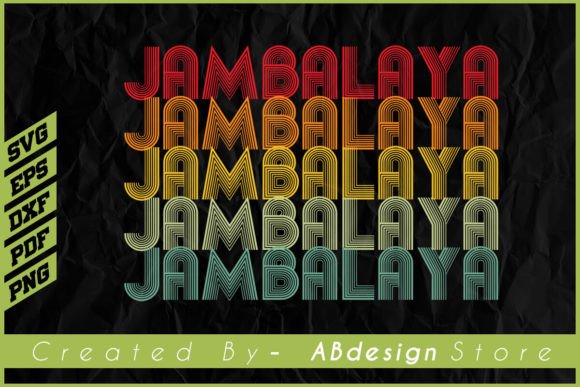
Jambalaya Retro Design Review
When I sit down to evaluate a new digital asset for my embroidery studio, I am rarely looking for just another pretty picture. I am looking for viability. Can this design survive the hoop? Will it hold up after twenty washes? Does it translate well from a flat vector file into a tactile, three-dimensional textile experience? Today, I am putting Jambalaya through that exact gauntlet. This is a retro-style food name graphic available as an SVG, EPS, PNG, DXF, and PDF download. While the product category lists it under T-Shirt Designs and Graphics, my job is to determine if it has legs in the world of machine embroidery and physical merchandise.
The First Impression: Mood and Visual Personality
The moment you open the Jambalaya file, the retro aesthetic hits you immediately. It isn’t subtle. It carries that mid-century diner vibe—bold, confident, and slightly playful. For an embroidery designer, the immediate question is always about detail level. Does the design rely on tiny, intricate lines that will get lost in the fabric weave, or does it have enough visual weight to stand out?
In this case, the layout feels balanced. The typography-driven nature of the design suggests it relies heavily on shape and negative space rather than complex pictorial elements. This is actually a smart choice for commercial embroidery. Complex illustrations often require high stitch counts and multiple color changes, which drives up production time and cost. A clean, retro typographic design like Jambalaya promises efficiency. It creates a mood that is nostalgic yet modern, making it suitable for a wide range of audiences, from Gen Z crafters to millennials who appreciate vintage aesthetics.
Real-World Application: Where Does It Shine?
I recently had a client request a batch of custom aprons for a local pop-up market featuring Southern-inspired themes. Jambalaya was the first design that came to mind. Here is why it works so well for specific projects:
- Custom Apparel and Sweatshirts: The bold nature of the retro text translates beautifully on heavyweight cotton blends. When embroidered on a crewneck sweatshirt, the design acts as a statement piece. It doesn’t need to be oversized; a chest-sized placement allows the letters to breathe and ensures the stitching remains crisp.
- Tote Bag Design: Canvas tote bags are a staple for Etsy sellers and craft fair vendors. Because Jambalaya is likely vector-based (given the SVG/EPS inclusion), it scales perfectly. Whether you place it in the center of a canvas bag or along the side seam, the contrast between the thread and the natural or dyed canvas creates a professional finish.
- Kitchen Textiles: Tea towels and kitchen linens benefit from this kind of thematic design. The word "Jambalaya" evokes warmth and hospitality. Embroidering this onto a flour-sack towel adds a layer of perceived value that printed designs simply cannot match. It feels handmade, thoughtful, and durable.
- Embroidered Patch: If you sell patches as accessories, this design is ideal. The clear boundaries of the text make it easy to digitize with a stable satin stitch border. It would look fantastic on denim jackets, backpacks, or beanies.
Technical Considerations and Stitch Clarity
As a reviewer, I must address the technical realities of turning a digital file into a stitched product. Even though the source files are provided in various formats, the success of the final product depends on how the design is digitized and executed.
Stitch Density and Hoop Size: One of the most critical aspects of any embroidery project is stitch density. If the design is too dense, the fabric will pucker. If it is too sparse, the backing material may show through. Since Jambalaya is primarily text-based, you will likely use a combination of fill stitches for the main body of the letters and running stitches or satin stitches for outlines. I recommend testing the design in a smaller hoop size first to ensure the proportions remain legible. Large blocks of text can sometimes lose their impact if the individual letterforms become too small relative to the needle pitch.
Fabric Texture and Contrast: The retro style of Jambalaya demands high contrast. On light fabrics, dark threads will pop, but on textured fabrics like burlap or heavy tweed, the definition might soften. I advise checking your thread colors carefully. A classic red or mustard yellow thread against a navy or black background would enhance the retro feel, while a monochromatic scheme might look more modern and minimalist. Always test on scrap fabric before committing to your final garment.
Where to Use It Carefully
Not every surface is created equal. There are specific scenarios where Jambalaya might struggle:
- Small Hoop Sizes: Avoid trying to fit this design into very small hoops (under 4 inches). The details may become indistinguishable, and the stitching process becomes fragile.
- Stretchy Fabrics: While jersey knits are popular for t-shirts, they require careful stabilization. Without proper tear-away or cut-away stabilizer, the tension of the stitches can distort the fabric, causing the text to wave or ripple.
- Curved Surfaces: Embroidering directly onto caps or curved hat fronts requires specialized hooping techniques. Flat designs like this one work best on flat surfaces. If you attempt to apply it to a curved item, ensure the digitization includes proper underlay to keep the stitches flat against the curve.
- Dense Stitch Areas: If the design includes decorative accents or thick fill areas, be mindful of the fabric’s ability to support that weight. Thin fabrics may not handle heavy fills well, leading to perforation or tearing over time.
Impact on Product Value and Brand Consistency
For small business owners and Etsy sellers, the difference between a printed design and an embroidered one is often the difference between a $5 item and a $20 item. Jambalaya offers that premium texture that customers associate with quality. When a buyer sees raised, textured stitching, they perceive higher effort and durability.
This design also supports brand consistency. Its retro theme is versatile enough to fit into a cohesive collection. You could pair it with other food-themed designs, creating a "Southern Kitchen" series for home goods, or mix it with other typography pieces for apparel. The clean lines of the graphic ensure that it doesn’t clash with other elements in a collage or mockup presentation.
Practical Designer Notes Before You Stitch
Before you upload Jambalaya to your machine or start listing finished products, please consider these practical steps:
- Test First: Always run a test stitch on the actual fabric you plan to use. Check for puckering, thread breakage, and color accuracy.
- Check Licensing: Although the product description mentions usage for cloth, vinyl decals, and stickers, you must verify the specific license terms for commercial use. Ensure you are allowed to sell finished items made from this design.
- Review Digital Assets: Use the included PNG and JPG files to create printable mockups. This helps you visualize the design on different products without wasting thread and fabric.
- Stabilizer Selection: Choose the right stabilizer for your fabric type. Heavy-duty cut-away stabilizers are generally safer for garments that will undergo frequent washing.
- Thread Quality: Invest in high-quality polyester or rayon thread. Cheap thread can break easily during long runs and may not have the sheen that enhances a retro design.
In conclusion, Jambalaya is a strong candidate for designers looking to add a touch of nostalgia to their inventory. Its versatility across apparel, home goods, and accessories makes it a valuable addition to any digital library. By paying attention to stitch density, fabric choice, and proper stabilization, you can transform this simple graphic into a high-quality, profitable product.