Soft Pretzel Embroidery Review
As a designer who spends more time staring at stitch charts and fabric swatches than sleeping, I approach every new digital asset with a mix of hope and skepticism. The market is flooded with generic clipart disguised as embroidery files, so finding a design that actually translates well from screen to needle is rare. Recently, I pulled the Soft Pretzel graphic from the T-Shirt Designs category to see if it holds up in real-world application. This isn’t just about how cute a pretzel looks on a computer screen; it’s about whether this design can survive the rigors of production for an Etsy shop, a craft fair booth, or a boutique brand.
First Impressions and Visual Personality
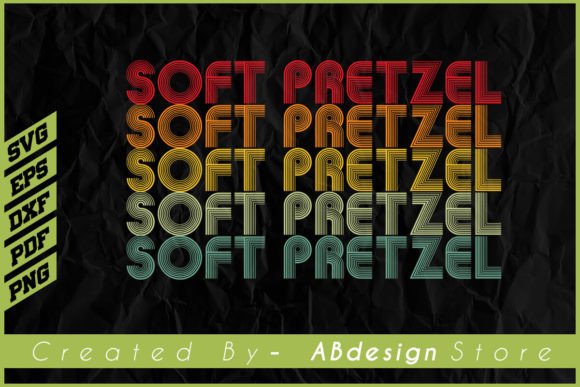
The moment you open the file package, which includes SVG, EPS, PNG, DXF, and PDF formats, the retro aesthetic hits you immediately. The "Soft Pretzel" design leans heavily into a nostalgic, popular food name style that feels warm, inviting, and slightly playful. It doesn’t try to be hyper-realistic, which is actually a smart move for embroidery. Photorealism often fails in stitch form because thread cannot replicate the subtle gradients of a high-resolution photograph. Instead, this design relies on bold shapes and clear lines, creating a mood that is cozy and comfort-driven.
Visually, the layout has a balanced weight. The curves of the pretzel knot suggest movement without being chaotic. For a handmade product, this visual personality works exceptionally well. It screams "comfort food," making it an ideal candidate for kitchen-related items or casual wear. When I looked at the vector paths in the EPS file, I appreciated the clean intersections. There are no messy overlapping nodes that would cause your digitizing software to throw errors or create jagged edges when scaled down. This cleanliness is crucial for maintaining a professional look on a finished product.
Real-World Application: From Screen to Stitch
To truly evaluate this embroidery project, I simulated its use in a few common scenarios. First, I imagined it on a custom embroidered tote bag made of heavy canvas. The retro vibe pairs perfectly with natural fabrics. If stitched in a goldenrod or mustard yellow thread against a cream or beige canvas, the Soft Pretzel design would pop without overwhelming the garment. It creates an instant connection with the buyer, suggesting a fun, artisanal quality that drives engagement on platforms like Etsy.
I also considered its potential on a sweatshirt or a baby onesie. For apparel decorators, this design offers versatility. On a dark heather grey sweatshirt, using a white or light pastel thread would give it a vintage collegiate feel. However, for baby embroidery, the soft curves and familiar shape make it a safe, gender-neutral choice for nursery decor or gift sets. It fits naturally into the "personalized gift" niche, where customers are looking for items that feel thoughtful but not overly complicated.
Another strong use case is the embroidered patch. Because the design has a defined outer edge, it lends itself well to being converted into an applique design or a dense fill stitch patch. Small shop owners could easily add these patches to denim jackets or beanies, increasing the perceived value of the item. The design’s simplicity ensures that even if the stitching isn’t perfect, the overall shape remains recognizable, protecting your reputation as a seller.
Where to Exercise Caution
While the design is robust, no single file is a magic bullet for every situation. As an experienced reviewer, I must highlight where this embroidery file might struggle. One major consideration is hoop size. If you attempt to stitch this on a very small hoop, such as one used for delicate jewelry or tiny hat patches, you may lose the integrity of the curves. The details might merge together, turning the pretzel into a blurry blob. Always check the dimensions before setting up your machine.
Fabric texture is another critical factor. This design relies on smooth surfaces to show off its retro lines. If you plan to use it on a highly textured fabric, like a thick boucle wool or a rough burlap, the stitches may not lay flat. The thread could get caught in the weave, distorting the shape. Similarly, thin or stretchy fabrics require careful handling. Without proper stabilizer support, the tension of the Soft Pretzel design could pucker the material, ruining the final presentation.
Dense stitch areas are also worth noting. While the design appears simple, if the digitization uses too much fill stitch density, it can become stiff and uncomfortable to wear, especially on baby clothes or lightweight t-shirts. You want the finished product to feel soft and flexible, not like a hard plastic badge. Additionally, avoid placing this design on curved surfaces like caps unless you have significant experience with multi-hoop setups. The asymmetry of a bent brim can distort the symmetry of the pretzel, leading to a misshapen result.
Practical Designer Notes for Execution
If you decide to incorporate the Soft Pretzel graphic into your commercial embroidery workflow, follow these practical steps to ensure success:
- Test on Scrap Fabric: Never go straight to the customer’s item. Run a test stitch on the exact fabric you plan to use. This allows you to see how the thread colors interact with the material under actual lighting conditions.
- Check Thread Color Contrast: Retro designs often rely on specific color palettes. Ensure your chosen thread colors provide enough contrast against the background fabric. Low contrast can make the design look muddy and unprofessional.
- Review Stitch Density: Inspect the digital file for any areas where the stitch density might be too high. If possible, adjust the settings to reduce bulk while maintaining coverage.
- Confirm Hoop Size: Verify that the design fits comfortably within your machine’s hoop limits. Scaling a design up or down can alter the stitch length and potentially cause thread breaks.
- Inspect Small Details: Look closely at the corners and inner curves. In embroidery, sharp corners often need to be softened or filled differently to prevent puckering. Ensure the digital file accounts for this.
- Use Proper Stabilizer: The right stabilizer is non-negotiable. For knit fabrics like t-shirts, a tear-away or cut-away stabilizer will keep the Soft Pretzel design stable during stitching. For woven fabrics, a water-soluble top stabilizer can help prevent thread sinking.
- Black and White Mockups: View the design in black and white to check its structural integrity. If the design loses its shape or readability without color, it may not translate well to monochrome embroidery projects.
Final Verdict on Value and Appeal
The Soft Pretzel design succeeds because it understands its audience. It appeals to the crafter who wants something quick yet charming, and to the business owner who needs a reliable, versatile asset. It enhances visual appeal by tapping into universal comfort themes, which boosts customer trust and recognition. When a buyer sees a well-executed pretzel design on a tea towel or apron, they associate it with warmth and homemade quality.
However, remember that a digital download is only as good as the execution. The file provides the blueprint, but your skill with the machine provides the soul. By testing thoroughly, choosing appropriate materials, and respecting the limitations of embroidery technology, you can turn this simple graphic into a standout handmade product. Whether you are listing it as a small shop product or using it for a personalized gift, the Soft Pretzel design offers a solid foundation for creative success. Just be sure to confirm licensing terms before selling finished items, and always prioritize quality control in your production process.