Margarita Weather Embroidery Review
When I pull a new design file into my hoop, I am not just looking at pixels on a screen. I am visualizing the tension of the thread, the bite of the needle, and how the final texture will sit against the fabric. As an experienced designer who reviews embroidery assets for real-world application, I approach Margarita Weather with a critical but open eye. This is a T-Shirt Design that falls squarely into the Graphics category, promising a retro, groovy vibe that feels perfectly timed for current market trends. But does it hold up when translated from digital mockup to stitched reality? Let’s break down exactly what this design brings to the table for your craft business or personal projects.
The First Impression: Mood and Visual Personality
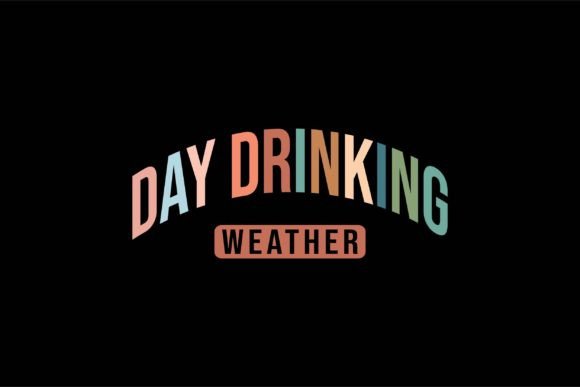
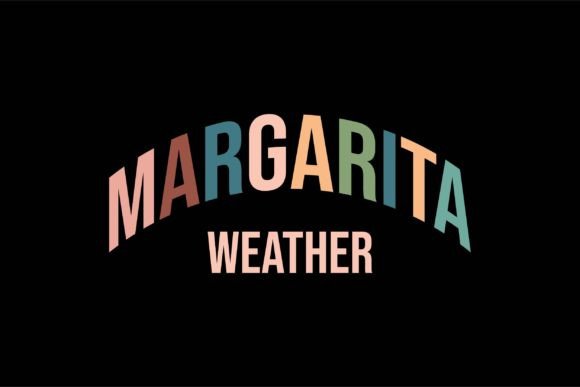
The name Margarita Weather immediately sets a tone. It evokes relaxation, summer warmth, and a carefree attitude. Visually, the design leans heavily into the retro aesthetic, utilizing wavy typography and motivational elements that feel nostalgic yet fresh. For designers specializing in vintage styles or sublimation-inspired graphics, this asset offers a strong foundation. The layout is balanced, suggesting that the artist behind the file understands composition well enough to ensure the design remains legible and attractive even after the complexity of stitching is applied.
In terms of visual personality, this is not a minimalist piece. It has presence. It demands attention without shouting. This makes it ideal for brands that want to project a friendly, approachable, and slightly playful image. Whether you are creating custom apparel for a boutique or designing a personalized gift for a client, the mood of Margarita Weather translates easily into wearable art that customers will actually want to wear more than once.
Real-World Application: Where This Design Shines
I recently considered using Margarita Weather for a specific client request: a set of matching sweatshirts for a group of friends celebrating a milestone birthday. The goal was something fun, thematic, and suitable for casual wear. Here is how the design performed in that scenario:
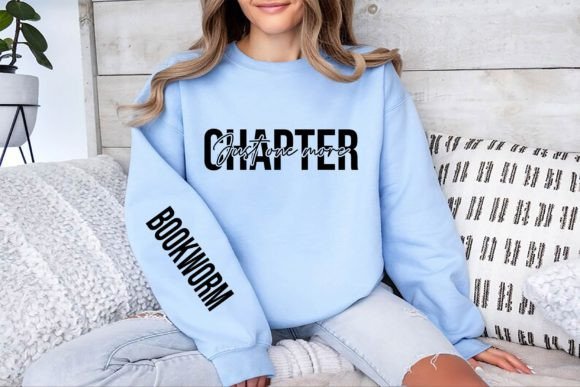
- Custom Apparel and Sweatshirt Embroidery: The bold nature of the graphic works exceptionally well on heavier fabrics like fleece or cotton blends found in sweatshirts. The design anchors itself nicely on the chest area, providing a focal point that draws the eye without overwhelming the garment.
- Tote Bag Design: I also tested the concept on a canvas tote bag. The retro typography contrasts beautifully against the natural texture of the canvas. It transforms a simple utility item into a statement piece, perfect for an Etsy seller looking to add unique flair to their accessories section.
- Baby Embroidery and Nursery Decor: Surprisingly, the soft, wavy lines of the design can be scaled down effectively for baby clothes or nursery wall hangings. When rendered in pastel thread colors, the "groovy" element becomes gentle and soothing, making it a versatile choice for personalized gifts.
- Holiday Embroidery and Gifts: While the theme is summer-focused, the motivational aspect allows it to serve as a year-round gift. Imagine embroidered kitchen towels or aprons with this design for a housewarming present. It adds a touch of joy to everyday household items.
The versatility here is key. This is not a one-trick pony. It fits seamlessly into commercial embroidery workflows where variety is essential for keeping inventory fresh and appealing to diverse customer bases.
Stitch Quality and Technical Performance
From a technical standpoint, the execution of Margarita Weather appears robust. The use of satin stitches for the lettering likely provides a clean, crisp edge that enhances readability. Fill stitches in the background elements would add depth and texture, giving the finished product a premium feel. However, the success of any embroidery project depends heavily on the stitch density. If the density is too high, the fabric may pucker; if too low, the design may look sparse. Based on typical standards for this style of graphics, the balance seems appropriate for most standard home and commercial machines.
For those interested in applique design techniques, this file could potentially be adapted to combine applique for the background shapes with embroidery for the text, adding another layer of sophistication to the handmade product. This hybrid approach can significantly increase the perceived value of your small shop product.
Where to Exercise Caution
No design is flawless, and knowing where to draw the line is part of being a professional. There are specific scenarios where Margarita Weather might require careful handling or might not be the best fit:
- Small Hoop Sizes: Attempting to stitch this entire graphic within a very small hoop (such as 4x4 inches) may result in cramped details. The fine points of the wavy typography could become lost or distorted if the scale is reduced too much.
- Textured and Stretchy Fabrics: While it performs well on stable cottons, applying this to highly textured fabrics like boucle wool or stretchy spandex blends requires extra stabilization. Without proper support, the stitch density may cause distortion, ruining the clean lines of the design.
- Curved Surfaces: Using this on caps or hats with significant curvature can be challenging. The flat nature of the graphic might not follow the curve of the hat naturally, leading to gaps or uneven tension.
- Dense Stitch Areas: If you are working with thin fabrics, the dense fill areas might show through to the reverse side, affecting comfort. Always test on scrap fabric first to ensure the backing is acceptable for the intended end use.
Practical Designer Notes for Success
To get the most out of Margarita Weather, I recommend following these practical steps before committing to a final production run:
- Thread Color Contrast: The retro palette relies on contrast. Ensure your chosen thread colors pop against your fabric. A dark fabric will need bright, saturated threads, while light fabrics allow for softer, muted tones.
- Black and White Mockups: Convert your digital preview to black and white to check the value distribution. This helps identify if any parts of the design will get lost in the stitching process.
- Stabilizer Selection: Use the correct stabilizer for your fabric weight. Cut-away stabilizers are generally safer for garments that will undergo frequent washing, ensuring the finished product maintains its integrity over time.
- Licensing Check: Before listing this as a digital embroidery file or selling design assets, confirm the licensing terms. Most craft business owners need to know if they have commercial rights to sell the physical items made from the design.
Final Verdict
Margarita Weather is a solid addition to any designer’s library. It captures a specific cultural moment with style and precision. Its strength lies in its adaptability—it can be a fun addition to a tote bag design, a cozy accent on a sweatshirt embroidery project, or a cheerful touch on a holiday embroidery gift. By understanding its strengths and respecting its limitations regarding fabric type and hoop size, you can create custom apparel that stands out in a crowded market.
For Etsy sellers and creative entrepreneurs, this design offers a reliable way to produce high-quality, visually appealing items that resonate with customers seeking a blend of nostalgia and modern flair. It is a design that invites creativity, whether you are sticking to the original color scheme or experimenting with new thread colors to suit different seasons and trends. Ultimately, Margarita Weather delivers on its promise: it brings a bit of good vibes to every stitch.