Feeling Good All Day: An Embroidery Review
As a designer who spends more time staring at stitch charts and testing fabric swatches than I care to admit, I approach every new digital asset with a healthy dose of skepticism. The market is flooded with generic graphics that look great on a screen but fall apart under the needle. Recently, I pulled Feeling Good All Day from a bundle labeled as part of a retro-themed collection to see if it holds up in a real-world embroidery project. This isn’t just about whether the file opens correctly; it’s about whether the design translates into a product that people actually want to wear or display.
First Impressions and Visual Personality
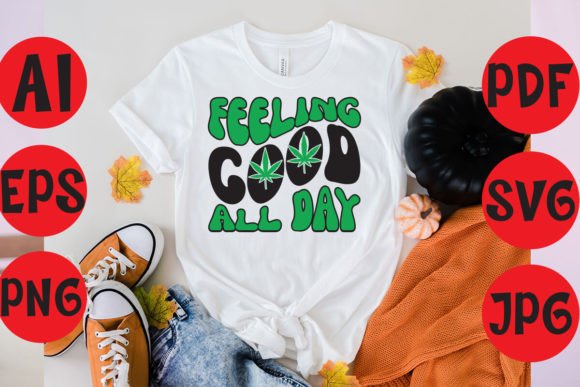
The title alone sets a specific tone. "Feeling Good All Day" suggests positivity, comfort, and a relaxed lifestyle. Visually, the design leans heavily into that retro aesthetic mentioned in its source category. It doesn’t scream for attention with aggressive colors or chaotic layouts. Instead, it offers a clean, confident statement that feels timeless rather than trendy. For an embroidery designer, this is crucial. Trends fade, but a well-composed typographic or illustrative design that evokes a good mood has longevity.
When I first loaded the vector files—specifically looking at the AI and SVG formats—the structure was clear. The layout balances negative space with positive elements, which is often where designs fail when scaled down for smaller hoops. The visual personality here is approachable. It feels like something you’d find in a boutique coffee shop or on a handmade tote bag at a local craft fair. It has that "handmade" warmth that digital prints often lack, provided it is executed with quality thread work.
Real-World Application: From Screen to Stitch
I decided to test Feeling Good All Day on a few different substrates to simulate actual client projects. My primary use case was creating a line of custom apparel for a small Etsy shop focused on self-care and mental wellness gifts. I also considered its potential for home decor items, such as kitchen towels or nursery accents.
Custom Apparel and Sweatshirts
On a heavyweight cotton sweatshirt, the design performed exceptionally well. The retro vibe pairs naturally with thick fabrics that have a bit of texture. When stitched, the fill stitches lay flat and cover the base material completely, creating a professional finish. The contrast between the thread colors and the dark fabric background made the text pop without feeling overwhelming. It works best as a chest logo or a centered back print, giving the garment a balanced, high-end look.
Tote Bags and Aprons
One of the most popular items for craft business owners right now is the embroidered tote bag. I tested the design on a canvas tote, and it held its own. The sturdy fabric supports the stitch density without buckling. However, I had to be mindful of the placement. Centered on the front panel, it creates a strong brand statement. For aprons, particularly linen ones used in baking or gardening contexts, the design adds a touch of charm that elevates a simple utility item into a personalized gift.
Baby Items and Nursery Decor
The softer connotation of the phrase makes it suitable for baby clothes. On a muslin burp cloth or a soft cotton onesie, the design reads as gentle and sweet. It fits perfectly into the current trend of meaningful, minimalist baby gear. Parents are looking for items that reflect their values, and a design promoting positivity resonates emotionally. It also works beautifully on pillow covers or tea towels in a nursery setting, adding a layer of coziness to the room.
Where Caution Is Required
Not every surface is created equal, and Feeling Good All Day is no exception. There are specific scenarios where this design requires careful handling to avoid a disappointing finished product.
- Small Hoop Sizes: If you are attempting to digitize or use this design in a very small hoop (under 4x4 inches), you may lose some of the nuance in the lettering or decorative elements. Fine details can become muddy or merge together, reducing legibility.
- Textured and Stretchy Fabrics: While it looks good on structured cotton, stretchy jersey knits or highly textured bouclé fabrics can distort the shape. The tension required for satin stitches might pucker thin fabrics. Always use a proper stabilizer, preferably cut-away for stability, to prevent distortion during stitching.
- Dense Stitch Areas: If the design includes heavy fill areas, be cautious on curved surfaces like caps or hats. The bulk can make the garment uncomfortable or cause the embroidery to crack over time with frequent washing.
- Dark Fabric on Light Thread: Conversely, using light threads on dark fabric requires sufficient coverage. Test your thread count to ensure there are no gaps showing the base fabric through the design.
Practical Designer Notes for Success
Before committing to a full production run or listing these as handmade products, there are several technical checks I recommend. First, always test the design on scrap fabric that matches your final substrate in weight and weave. This reveals how the stitch density interacts with the material.
Second, inspect the small details. In the vector files, check the corners of letters and any intricate curves. Sometimes, scaling a graphic for embroidery can introduce artifacts that weren't visible in the original preview. Run a black-and-white mockup to ensure the contrast remains sharp even if color options are limited.
Third, consider the thread colors. The retro theme likely lends itself to muted pastels or bold primaries. Choose threads that complement the intended mood. For a calming effect on baby items, stick to soft tones. For a bolder statement on a tote bag, high-contrast combinations work best.
Finally, confirm licensing. Since this comes from a digital bundle, verify whether you have commercial rights to sell finished items. Most reputable sources allow this, but it is a critical step for any Etsy seller or small shop owner to avoid legal issues. Ensure you understand the terms before marketing your personalized gift or custom apparel.
Final Verdict on Visual Appeal and Value
Feeling Good All Day succeeds because it understands its audience. It isn’t trying to be everything to everyone; it is a focused, mood-driven design that fits seamlessly into the handmade and boutique markets. It enhances the perceived value of a finished product, making a simple t-shirt or apron feel curated and thoughtful.
For designers, it offers versatility. It can serve as a centerpiece for a holiday embroidery collection, a staple for wedding gifts, or a consistent element in a brand’s visual identity. The clean lines and positive message encourage buyer engagement, as customers connect with designs that reflect their aspirations or current state of mind.
In conclusion, this design is a solid addition to any library of digital embroidery files. It performs well across various embroidery project types, from casual wear to delicate baby items. By paying attention to fabric choice, stabilization, and thread selection, you can transform this digital asset into a tangible piece of art that brings joy to both the maker and the recipient. It is practical, aesthetically pleasing, and commercially viable—a rare combination in today’s crowded design landscape.