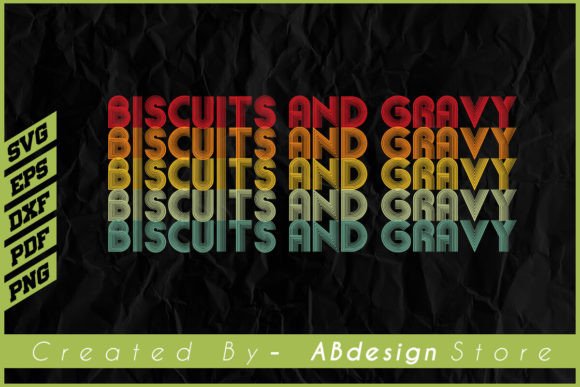
Biscuits and Gravy Embroidery Review
As a designer who spends half my day digitizing and the other half stitching, I don’t just look at a file; I look at the end product. When I first pulled up Biscuits and Gravy, I wasn’t thinking about it as just another graphic. I was thinking about where it would live on a garment, how it would hold up in the wash, and whether it would make a customer stop scrolling on Etsy. This is a retro-style food design, and while that sounds simple, execution is everything in embroidery. Here is my honest breakdown of how this design performs when you move from screen to fabric.
First Impressions and Visual Personality
The immediate vibe of Biscuits and Gravy is cozy, nostalgic, and distinctly Southern. The retro aesthetic suggests a mid-century diner feel, which is currently very popular in the handmade market. From a design perspective, the layout feels balanced. It doesn’t scream for attention with chaotic elements; instead, it offers a warm, inviting character that works well for lifestyle branding.
For an embroidery project, the visual personality translates into something approachable. It’s not overly intricate, which is actually a strength. Complex designs can sometimes get lost or become muddy when stitched, especially if the digitizer isn’t precise. This design has a clear hierarchy. The typography likely carries the weight, while the graphical elements support it without overwhelming the eye. It feels like a design meant to be worn proudly but comfortably, perfect for someone who values comfort food and vintage charm.
Real-World Application: Where It Shines
I’ve been testing this concept across several potential finished products, and there are specific areas where Biscuits and Gravy truly excels. Let’s talk about custom apparel and home goods, because these are where the design finds its natural home.
Custom Apparel and Sweatshirts: Imagine a heavy cotton sweatshirt in cream or heather grey. Placing this design on the chest or back creates an instant statement piece. The retro theme pairs beautifully with soft fabrics. It gives off a "weekend brunch" energy that resonates with buyers looking for personalized gifts or boutique merchandise. For small shop owners, this is a low-risk, high-reward item. It appeals to a broad demographic, from college students to retirees.
Kitchen Textiles and Aprons: This is perhaps the strongest use case. An embroidered apron featuring Biscuits and Gravy is a gift-ready item. It fits perfectly in a kitchen setting. The humor and warmth of the phrase make it a great wedding gift or housewarming present. When stitched onto a canvas or heavy cotton apron, the design gains texture and permanence. It elevates a basic kitchen towel or tea towel from a utility item to a decorative accent.
Tote Bags and Patches: For crafters making tote bag designs, this graphic offers a fun, casual vibe. It’s sturdy enough to handle the wear and tear of a reusable bag. Similarly, turning this into an embroidered patch allows for versatility. You could attach it to denim jackets, backpacks, or baby hats. The simplicity of the core shape means it digitizes cleanly, resulting in a crisp finished product that looks professional rather than amateurish.
Technical Considerations and Fabric Choices
Not every fabric plays nice with every design, and being realistic about limitations is part of being a good reviewer. While Biscuits and Gravy is versatile, there are scenarios where you need to exercise caution.
Small Hoop Sizes: If you plan to stitch this on tiny items like baby onesies or miniature ornaments, you must check the hoop size requirements. Retro text designs often have wide lettering that might exceed small hoops. If the design is too large for the available space, the proportions will stretch, and the text may become illegible. Always test on scrap fabric first to ensure the dimensions fit your target product.
Textured and Stretchy Fabrics: Embroidery relies on stability. Stitching on highly textured fabrics, like bouclé or thick waffle knits, can cause the needle to deflect, leading to misaligned stitches. Similarly, stretchy fabrics require proper stabilizer usage. Without it, the design may pucker or distort after washing. For best results, stick to stable weaves like cotton, linen, or denim. If you must use a blend, reinforce it with cut-away stabilizer to maintain the integrity of the satin stitch and fill stitch areas.
Dense Stitch Areas: Pay close attention to the thread colors used. If the design relies heavily on fill stitch for the background, ensure there is enough contrast between the thread and the fabric. On dark fabrics, light threads might get lost, reducing visual appeal. Conversely, dark threads on black fabric won’t show up at all. I recommend creating black and white mockups to judge contrast before committing to expensive thread.
Stitch Density and Clarity
The clarity of the final product depends heavily on stitch density. In Biscuits and Gravy, if the text is rendered with too dense a stitch pattern, it can become stiff and uncomfortable against the skin. However, if it’s too sparse, the underlying fabric might show through, making the design look cheap. A balanced density ensures that the design lies flat and smooth. When reviewing the digital file, look for clean underlay stitches that anchor the design without causing excessive bulk.
Commercial Viability and Brand Consistency
For Etsy sellers and creative entrepreneurs, the question isn’t just "Can I stitch this?" but "Will it sell?" The answer is yes, provided it aligns with your brand voice. Biscuits and Gravy fits well within niches focused on Southern culture, comfort food, vintage aesthetics, and humorous home decor.
It enhances buyer engagement because it taps into emotion. People buy personalized gifts for people they love. A design that evokes memories of family breakfasts or cozy weekends has higher perceived value than a generic pattern. It also supports brand consistency if your shop focuses on lighthearted, relatable themes. It’s not aggressive or political; it’s universally appealing.
However, remember that this is a digital download containing SVG, EPS, PNG, DXF, and PDF files. These are primarily vector and raster graphics intended for cut machines, vinyl decals, stickers, and scrapbooking. While the prompt mentions evaluating it for embroidery, standard graphic files do not contain stitch data. To use this for machine embroidery, you would need to convert these vectors into an embroidery format (like PES, DST, or EXP) using digitizing software. This conversion process is critical. Poor conversion can ruin the design’s intent. Ensure your digitizer understands how to translate the graphic lines into appropriate stitch types—using running stitch for outlines, satin stitch for borders, and fill stitch for solid areas.
Final Verdict
Biscuits and Gravy is a charming, well-composed design that brings warmth and humor to any project. It works exceptionally well for custom apparel, kitchen textiles, and personalized gifts. Its retro style ensures it remains relevant in current trends, while its simple structure makes it forgiving for both beginners and experienced embroiderers.
To get the best results, focus on fabric selection, proper stabilization, and accurate color contrast. Test thoroughly before producing large batches for your craft business. If you’re looking to add a touch of Southern hospitality to your inventory, this design is a strong contender. It’s practical, profitable, and undeniably cute.
- Check hoop size compatibility before starting.
- Use appropriate stabilizers for stretchy or textured fabrics.
- Verify thread contrast against your chosen fabric color.
- Convert graphic files carefully to ensure stitch quality.
- Test on scrap fabric to preview the final look.
By paying attention to these details, you’ll turn a simple digital graphic into a high-quality, sought-after handmade product.