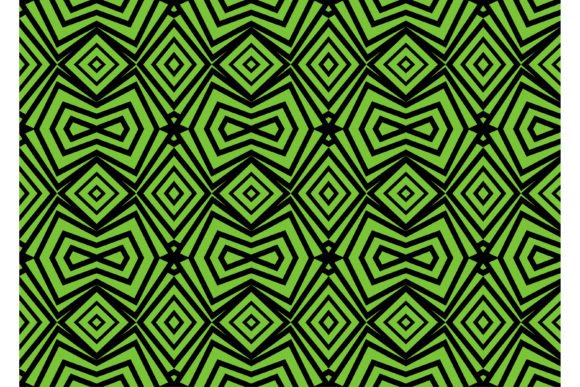
Green Black Geometric Pattern Review
As a designer who spends half my day troubleshooting stitch errors and the other half styling finished products for mockups, I don’t just look at an embroidery design; I look at how it will behave under the needle. When I first pulled up Green Black Geometric Pattern, my immediate reaction was one of cautious optimism. The concept is strong—seamless, abstract, and built on a foundation of squares—but the execution requires a clear vision to avoid looking cluttered or muddy when translated from screen to fabric.
This isn’t just another generic graphic file. It’s a seamless pattern with squares that suggests an abstract geometric green and black background patch work style. For those of us in the craft business, whether we are Etsy sellers, small shop owners, or hobbyists looking to elevate our handmade product line, understanding the visual weight of a design is crucial. This piece has personality, but it demands respect regarding placement and scale.
The First Impression: Mood and Visual Weight
The moment you see this design, it feels modern, slightly industrial, yet grounded by the organic nature of the green tones against the starkness of black. The "patch work" aspect mentioned in the description implies a sense of assembly, which is fantastic for creating a sense of depth in embroidery. However, because it is described as a "replete image design," there is a risk that the details might compete with each other if not scaled correctly.
In terms of mood, this pattern screams urban chic. It doesn’t feel like a traditional floral or whimsical motif; it feels structured. This makes it an excellent candidate for custom apparel where the wearer wants to make a statement without being overly loud. The contrast between the green and black creates a natural visual hierarchy, provided the thread colors chosen match the intensity of the digital preview. If the green thread is too pale or the black is too dull, the entire geometric integrity of the design can collapse into a gray mess.
Real-World Application: Where This Design Shines
I recently evaluated this pattern for a potential client project involving a batch of tote bags for a local boutique. Here is why Green Black Geometric Pattern works so well in specific scenarios:
- Tote Bag Design: The seamless nature of the pattern allows it to wrap around the sides of a bag beautifully. When used as a large central panel or all-over print on canvas totes, the geometric squares create a sophisticated backdrop that doesn’t distract from the bag’s functionality. It elevates a simple canvas item into a fashion accessory.
- Sweatshirt Embroidery: For streetwear-inspired hoodies, this pattern offers a great alternative to standard logos. Placing a cropped section of the pattern on the back yoke or across the chest adds texture and interest. The dark tones hide minor wear and tear better than light pastels, which is a practical benefit for daily-wear items.
- Embroidered Patch: If you are creating branded patches for jackets or denim, the high-contrast square motif stands out sharply. It reads well from a distance, making it ideal for commercial embroidery projects where brand recognition is key.
- Nursery Decor and Baby Items: While often associated with bold adult fashion, this pattern can be softened for baby clothes or nursery wall hangings if you adjust the color palette. A sage green instead of forest green, paired with charcoal rather than pure black, creates a gender-neutral, calming aesthetic perfect for baby embroidery projects.
The versatility extends to kitchen towels and aprons as well. In a home setting, the geometric theme fits seamlessly into modern kitchens. It’s a personalized gift idea that feels thoughtful and stylish, appealing to buyers who appreciate clean lines and contemporary art.
Where to Use Caution: Technical Challenges
No design is perfect, and Green Black Geometric Pattern has its pitfalls. As an experienced reviewer, I need to highlight where this design might cause headaches during production.
Small Hoop Sizes: Because the pattern is described as having "abstract geometric" elements, reducing it too much can result in lost detail. If you try to fit this into a 4x4 hoop, the squares may become indistinct blobs. It performs best in medium to large hoops where the stitch definition can breathe. Always check the hoop size requirements before committing to a small garment like a hat brim or a child’s sock.
Stitch Density and Fabric Texture: The "patch work" style likely involves significant fill stitches. On textured fabrics like heavy denim or bouclé wool, the needle may struggle to penetrate evenly, leading to skipped stitches. Furthermore, on stretchy fabrics, the density of the geometric blocks can cause puckering if a proper stabilizer isn’t used. I strongly advise using a cut-away stabilizer for any woven fabric to maintain the crispness of the squares over time.
Curved Surfaces: Trying to embroider this flat geometric pattern onto a curved surface like a baseball cap can distort the symmetry. The squares might appear warped, breaking the illusion of the seamless repeat. For caps, it is often better to use a single, centered element from the pattern rather than the full repeating grid.
Practical Designer Notes for Production
Before you upload this file to your machine, there are several technical checks every embroidery designer should perform. These steps ensure your final product looks professional and sells well.
- Test on Scrap Fabric: Never assume the digital colors match the physical threads. Run a test on the exact fabric you plan to use. Check how the green thread interacts with the black background. Does it pop? Or does it get swallowed by the shadows?
- Black and White Mockup: Convert your design preview to grayscale. This helps you assess the value contrast. If the design loses its structure in black and white, it will likely lack impact in color. High contrast is essential for readability in machine embroidery design.
- Inspect Small Details: Zoom in on the corners of the squares. Are they sharp, or do they rely on tiny satin stitches that might break? If the design uses satin stitch for fine edges, ensure your machine tension is calibrated to prevent thread breaks.
- Check Licensing: If you are an Etsy seller or running a craft business, verify the license terms. Some digital designs allow personal use only. Ensure you have the rights to sell finished items made with this digital embroidery file to avoid legal issues.
- Thread Color Selection: The description mentions "green and black," but these are broad categories. Choose threads that offer sufficient sheen and saturation. Matte threads might make the geometric shapes look flat, while metallics could add an unexpected luxury touch if used sparingly.
Final Verdict: Is It Worth Adding to Your Library?
Green Black Geometric Pattern is a solid addition to any library of graphics intended for textile application. It strikes a balance between artistic abstraction and structural clarity. It is particularly well-suited for small shop product lines that aim for a modern, minimalist aesthetic. Whether you are creating holiday embroidery gifts, wedding favors, or everyday custom apparel, this design offers a versatile canvas for creativity.
However, success lies in the details. By paying attention to fabric choice, stabilizer support, and color contrast, you can transform this digital pattern into a stunning finished product that customers will love. It’s not a "set it and forget it" design; it rewards the maker who takes the time to understand its geometry and limitations. For those willing to put in the prep work, the payoff is a professional, high-value embroidered item that stands out in a crowded market.
If you are looking to expand your range of design assets and need something that bridges the gap between bold graphic art and wearable fashion, this pattern delivers. Just remember to test, refine, and present it with care. That is the hallmark of a true professional in the world of handmade goods.